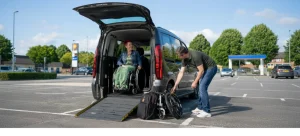
How to Research Accessibility Before You Travel (Without Getting Caught Out) – Travelling with a disability comes with its own set of challenges — and let’s be honest, one of the biggest is figuring out whether a destination is actually accessible, not just advertised as such. We’ve all seen the words “wheelchair accessible” thrown around too loosely, only to arrive and find a flight of stairs or a “step-free” bathroom that somehow includes a step. This is highly disappointing, to say the least!
So, how do you make sure your trip goes as smoothly as possible? Here’s a helpful guide to properly researching accessibility before you travel, so you can spend less time worrying and more time enjoying.
Start with the Right Sources

Before booking anything, turn to trusted websites and communities that specialise in accessible travel. Some examples include:
- Disabled travel blogs (like this one!)
- Accessibility-focused review platforms
- Facebook groups or forums for disabled travellers
- YouTube videos from people with similar access needs
There is nothing more reassuring than hearing directly from other disabled travellers. This is often the most honest and helpful way to find out what’s truly accessible.
Always Contact the Venue or Accommodation Directly
It would be wonderful if we could truly rely on what the website says. I’m sure we have all fallen victim to trusting what a holiday website tells us. But don’t! If accessibility is essential to your experience (or safety), always reach out directly.
What to ask:
- Is there step-free access from the entrance to the room? Take down the width.
- Are the doorways wide enough for your wheelchair? Ask for measurements.
- Is there a roll-in shower or accessible bath? Does it have grab rails? If so, where are they placed?
- Are there grab rails by the toilet?
- Is there a lift, and does it fit your chair?
- Is accessible parking available and close by?
- Are assistance dogs accepted?
Tip: Ask for photos of the actual accessible room and bathroom. Websites often show a generic or standard room, and what’s promised doesn’t always match reality.
Use Google Maps & Street View

Before you even pick up the phone, drop the address into Google Street View and have a look around. You can often spot:
- Steps at the entrance
- Steep hills or uneven pavements
- How far is it really from public transport
- The surrounding terrain (cobblestones? hills?)
This can give you an early warning if the location is going to be more of a hassle than it’s worth.
Read Between the Lines on Websites
Watch out for vague or misleading phrases like:
- “Easily accessible” – by whom? On foot? With a rollator?
- “Step-free” – is that all areas or just the entrance?
- “Mobility-friendly” – a made-up term with no standard meaning
- “Accessible room available upon request” – this often means there’s only one, and it might already be booked
If there’s no detailed access statement on the site, that’s already a red flag. We stay clear of these places.
Check Cancellation Policies
Even with all the research in the world, surprises still happen. Make sure your hotel, tour, or transport booking has a flexible cancellation or refund policy in case it turns out the access isn’t as promised.
Ask in Disabled Travel Communities
Not sure about a location? Ask people who’ve already been. Online communities can be gold mines of information — from the truth about hotel bathrooms to which local taxi firms have accessible vehicles.
Places to ask:
- Facebook groups like “Accessible Travel Club”
- Facebook group “The World is Accessible“
- Reddit forums like r/DisabledTravel
- Instagram or TikTok creators who travel with similar access needs
Final Thoughts

Planning accessible travel can feel like a full-time job, but doing the legwork beforehand means fewer nasty surprises when you arrive. The more information you gather, the more confident you’ll feel.
And remember: just because a destination says it’s accessible doesn’t mean it is — but with the proper research, you’ll be one step closer to finding the places that genuinely work for you.