10 Free Vehicle Checks That Could Save Your Accessible Holiday From Disaster – When you’re planning a holiday as a disabled traveller, there’s already plenty to think about — accessible accommodation, mobility equipment, medication, airport assistance, parking, charging points, and whether your wheelchair will actually fit in the boot with the luggage.
The last thing anyone needs is a breakdown halfway to the coast or discovering the air conditioning has packed up during a summer motorway crawl.
That’s why free vehicle health checks can be genuinely useful before setting off on holiday.
Kwik Fit Free Checks offers several no-cost inspections that can help identify problems before they become stressful travel disasters. According to Kwik Fit, their free checks include tyres, brakes, batteries, exhausts, wheel alignment, and general vehicle safety inspections.
As disabled travellers, this is especially important, as prevention is everything.
Why Reliability Matters More When You’re Disabled
For many non-disabled travellers, a breakdown is annoying.
For disabled travellers, it can completely derail a trip. If you rely on:
- Powered wheelchairs,
- Mobility scooters,
- Vehicle hoists,
- Adapted driving controls,
- Refrigeration for medication,
- or accessible hotels booked months in advance,
Then a vehicle problem becomes far more than an inconvenience.
Many accessible journeys are carefully timed to accommodate factors such as fatigue, pain management, toilet access, charging opportunities, or assistance bookings. Sitting on the hard shoulder for hours simply isn’t a realistic option for many disabled people.
That’s why it’s always recommended to give your vehicle a proper once-over before any major trip.
What Does Kwik Fit Offer For Free?
Tyres: The One Thing You Should Never Ignore
Kwik Fit Tyres Kwik Fit say:
We will check the overall condition of your tyres, including:
- Tread depth and pressure – tyres are essential in keeping you safe on the roads and bringing your vehicle to a stop when you need to brake quickly.
- Worn tyres – these will have a negative effect on your stopping distance
- Damaged tyres – these could result in a blowout.
Many adapted vehicles and WAVs (Wheelchair Accessible Vehicles) are heavier than standard cars, which can put additional strain on tyres. Long motorway journeys with heavy equipment, passengers, and luggage can make matters worse.
That’s important because uneven tyre wear can also indicate suspension or alignment issues — something that can seriously affect comfort during long journeys.
And if you live with chronic pain or spinal conditions, a rough ride can quickly turn a holiday into misery. I have experienced this first-hand.
Source: Kwik Fit – vehicle-safety-check
Battery
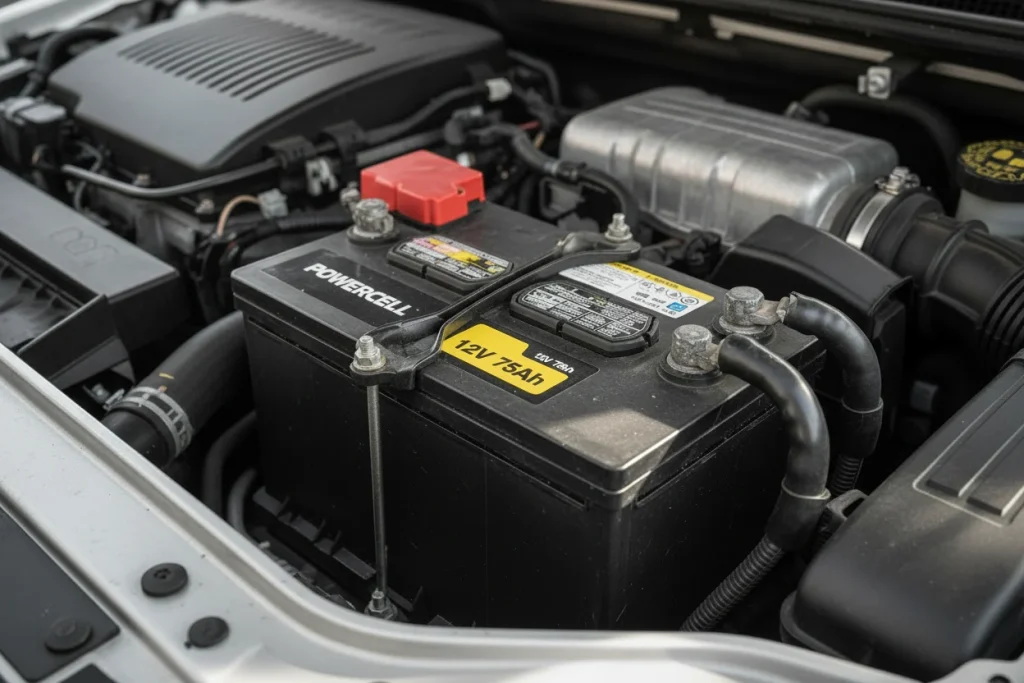
We will test your battery’s charge to make sure your car can start and get you to where you need to be. Battery failure is possible at any time of year if its charging power is drained; it no longer has the power necessary to turn over the starter motor.
The increased number of electrical components inside the car, such as phone chargers, as well as using heating and lights, puts additional strain on the battery. In addition, batteries naturally lose their charging capability over time, so it’s best to get this checked out before you find your vehicle won’t start in the morning.
Source: Kwik Fit – vehicle-safety-check
Batteries matter more than ever, as modern disabled travel often depends heavily on electronics.
Think about everything your vehicle may now support:
- wheelchair hoists,
- charging equipment,
- powered seats,
- sat navs,
- refrigeration,
- mobility scooters,
- dash cams,
- phones,
- and emergency medical devices.
A weak battery can cause all sorts of issues before you even realise there’s a problem.
Kwik Fit’s free battery health check is designed to identify batteries that may be struggling before they fail completely.
Coolant/Anti-freeze
We’ll check your coolant’s levels and strength. Your engine’s coolant level should be checked regularly to avoid causing serious damage to your engine. Coolant and antifreeze are actually the same thing and provide the dual purpose of ensuring liquids do not freeze and crack the radiator in winter, while also making sure the radiator does not overheat in the summer.
Source: Kwik Fit – vehicle-safety-check
Wiper Blades, Windscreen System and Screen Wash Levels
We’ll check your blades for damage and top up your fluid if necessary. The UK weather can be changeable at best, so even in summer months, it pays to ensure your windscreen wipers are functioning properly. Our free health check includes inspecting your wiper blades to ensure they are free of splits and damage. We will also check the operation of your windscreen wash system and top up your screen wash if necessary.
Source: Kwik Fit – vehicle-safety-check
Light Bulbs
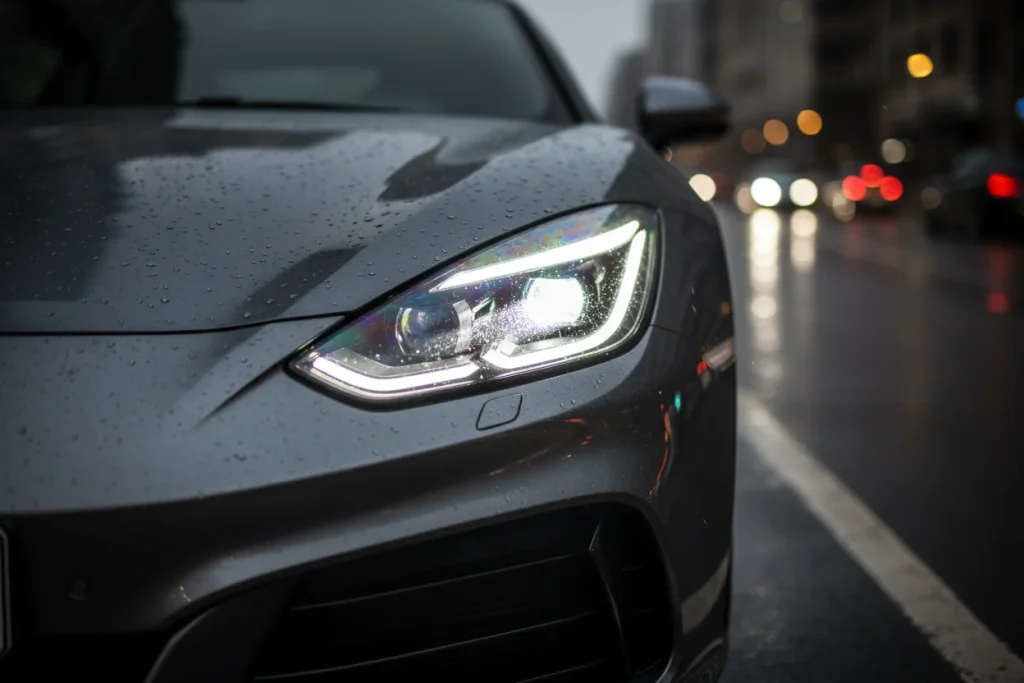
We’ll ensure you are made aware of any faulty or broken bulbs and can replace these for a small charge. Ensuring your vehicle’s lights are working correctly is critical for your own safety and other road users as it allows you to be able to see and help others to see you. Having a faulty or damaged bulb is illegal, so we’ll check to ensure all of these are functioning correctly.
Source: Kwik Fit – vehicle-safety-check
For answers to questions such as:
- How long does it take?
- Are vehicle checks a legal requirement?
- Is a vehicle check the same as an MOT?
And many more, please visit the Kwik-Fit Safety Check Website Page.
Don’t Forget About Your MOT Timing
One useful tip from us is to have these checks carried out before your MOT or ahead of a long holiday journey, as they could highlight issues that may otherwise result in an MOT failure.
That’s especially helpful if:
- Your accessible holiday has been booked far in advance,
- You’re travelling during school holidays,
- or your vehicle is heavily adapted and harder to replace temporarily.
Trying to source another accessible vehicle at short notice can be incredibly difficult — and expensive.
A Few Extra Checks We Always Recommend Before Accessible Holidays
Before any long journey, we’d also suggest:
- Checking Blue Badge visibility
- Testing wheelchair tie-downs
- Charging powerchairs fully
- Carrying spare medication
- Bringing emergency breakdown details
- and confirming your travel insurance covers mobility equipment
If you use an adapted vehicle, it’s also worth checking:
- ramps,
- lifts,
- winches,
- and restraint systems.
Not every garage understands accessibility equipment, so specialist servicing may still be needed for those parts.
Final Thoughts
Free vehicle checks won’t guarantee a problem-free holiday. But they can massively reduce the chances of preventable issues ruining an accessible trip. And honestly, when disabled travel already requires extra planning, anything that helps reduce stress is worth considering.
Before your next accessible adventure, it may be worth booking a quick inspection and giving yourself a little extra peace of mind. After all, it is free!
And holidays should start with excitement — not warning lights on the dashboard.