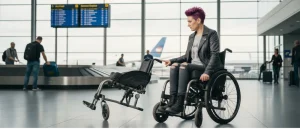
Disabled Travel Made Easy: Why Cruising Works for Me | Planning a holiday when you’re disabled can be exhausting. I’ve lost count of the hours I’ve spent emailing hotels, double-checking access, and trying to decode whether “step-free” actually means what it says. So much of my energy goes into planning before I’ve even left the house.
That’s why I wanted to write about something that’s made travel feel not only easier, but actually enjoyable again: cruising.
Now, I know cruising isn’t for everyone — but for me, it’s been one of the least stressful and most accessible ways to see the world. Here’s why.
Arriving at the Port – It’s Smoother Than You Might Expect
One of the things I love most about cruising from a UK port is how simple and stress-free the arrival process can be — especially compared to the chaos of an airport.
When you book your cruise, you usually have the option to pre-book accessible car parking at the terminal. I’ve used this many times now, and it’s been a game-changer. You drive right up to the cruise terminal, where port staff are ready and waiting.
The best part? You don’t even have to drag your luggage around. As soon as you arrive, your bags are taken from the car and labelled for delivery straight to your cabin — no lifting, no pushing, no struggling with suitcases.
Then, if you’ve booked valet parking, a staff member will park your car for you while you head inside and check in. It’s a smooth, well-organised process, and everything is usually signposted and staffed by people who know how to assist disabled passengers.
From there, you go through security and check-in (which can include priority or assisted boarding if needed), and before you know it, you’re rolling up the gangway and the holiday has already begun — no stress, no rush, and no airport queues in sight.
Your Room Moves With You (And It’s Actually Accessible)
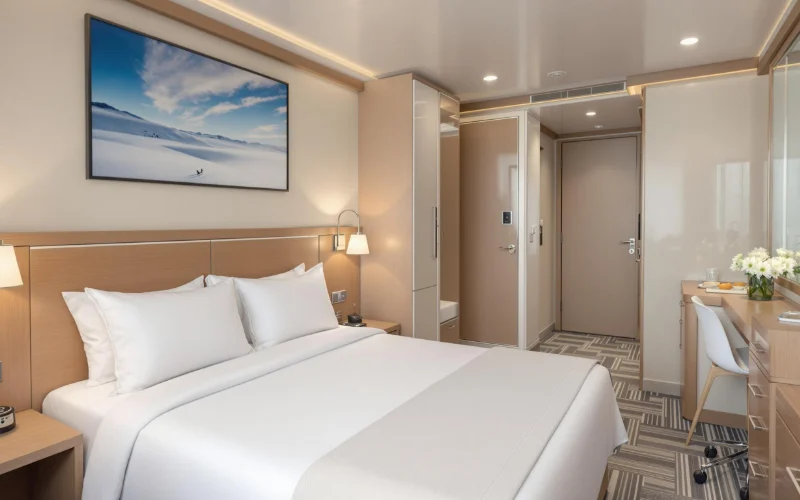
One of the best things about cruising? I only have to unpack once. No dragging luggage across bumpy pavements or worrying if the next hotel will be truly accessible. My cabin is my base, and it moves with me.
I’ve stayed in accessible cabins with roll-in showers, wide doorways, and emergency cords. It’s so reassuring knowing I have a space that works for me — especially after a day exploring somewhere new.
Cruise Ships Are Designed With Accessibility in Mind
Modern cruise ships are pretty good when it comes to access. I’ve found:
- Wide, flat corridors (except cabin corridors) they are quite narrow
- Plenty of lifts – However, they are very busy at meal times and disembarkation times when at port
- Automatic doors – Not all cruise ships have these
- Ramps into restaurants and theatres
- Accessible bathrooms in public areas
And because cruise companies cater to lots of older and disabled guests, accessibility feels like it’s actually been considered — not just tacked on.
Everything I Need Is Right There
This is a big one for me. On a cruise, I don’t have to go hunting for an accessible restaurant, a toilet, or a quiet spot to rest. It’s all onboard.
There are many dining options, entertainment, shops, even medical help — all within easy reach. And if I’m having a rough day, I can just relax in my cabin or watch the sea go by. No pressure, no hassle.
Travel Made Simpler – Especially if You Cruise from the UK
I love flying, but hate the hustle and bustle and just how many things can and have gone wrong. Assistance is hit and miss, and it’s always stressful wondering if my wheelchair will make it in one piece. That’s why I love cruises that leave from the UK. I can roll onto the ship, straight from my WAV (wheelchair accessible vehicle), or an adapted taxi or train, and start my holiday without any airport drama.
Once you’re on the ship, that’s it — no changing hotels, no packing and unpacking, no worrying about transfers.
You See So Many Places – Without the Stress

I was on a cruise last year that sailed around the Canaries. We (my family and I) visited many different ports of call over two weeks. And yet, I only unpacked once. That’s the magic of it.
It’s perfect for me, because I can try new destinations without committing to a full-on trip. If I don’t feel up to exploring one day, I just stay on the ship — which, by the way, is blissfully quiet when everyone else is ashore!
Some ports are more accessible than others, and it’s definitely worth checking in advance, but I’ve had some amazing experiences without the usual barriers.
You’re Not on Your Own
I’ve noticed something else while cruising — I’m not the only disabled person onboard. There are people with mobility aids, assistance dogs, powerchairs, you name it. It makes such a difference when you don’t feel like the odd one out.
A Few Tips from Me:
- Book early if you want an accessible cabin — they go extremely quickly. I normally book over a year in advance.
- Check the ports. If a stop involves a tender (a small boat to shore), you might not be able to disembark.
- Ask about excursions. Some cruise lines offer accessible ones, or you can book your own privately. We always go ashore and do our own thing. Unfortunately, in our experience, accessible excursions are far and few between.
- Be clear about your access needs when you book — better to over-communicate than be caught out later.
Final Thoughts
Cruising isn’t perfect, and it’s not a magic fix — but for me, it’s made travel feel possible again. Less stress, more freedom, and a chance to experience new places without burning myself out.
If you’ve been put off travelling because of the energy it takes just to organise the basics, I completely understand. But if you’ve never looked into cruising, it might be worth considering. For me, it’s opened up a whole new world — and it’s a world I can actually enjoy. Check out our Resources page for cruise company links.